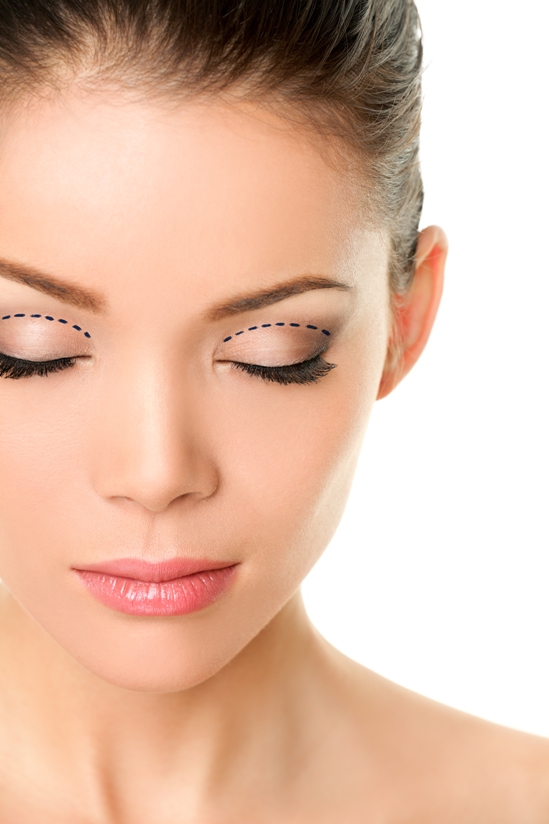
Strabismus Surgery
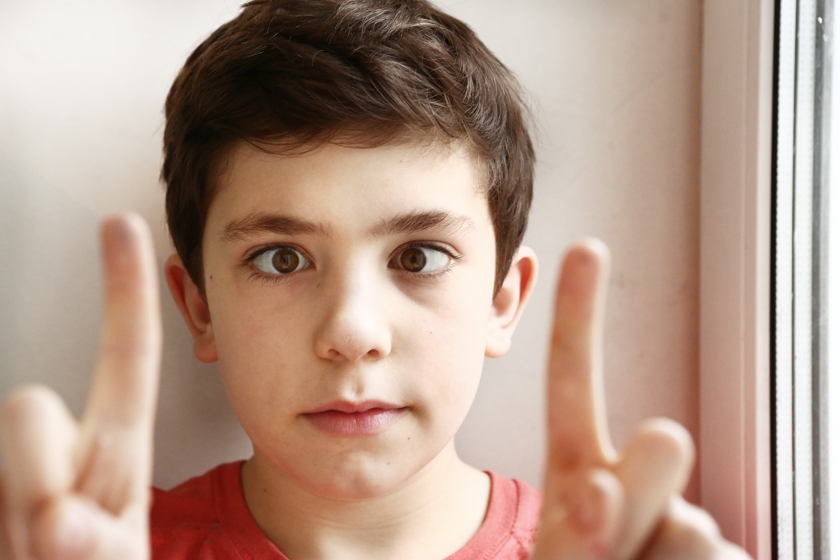
Strabismus, or crossed eyes, is the misalignment of the eyes so that the pupils look in different directions; it is more common in children but can be treated at any age.
Quick Answer
Eye misalignment, or strabismus, is the condition in which the eyes lose their coordinated vision and the pupils look in different directions. Seen more often in children, this condition affects 5 percent of children, while it is rarer in adults.
Highlights
- Some strabismus problems are caused by refractive errors.
- Patients whose eyes have strabismus or misalignment as a result of the causes listed above can be relieved of these problems through surgical intervention.
Content reviewed by Asst. Prof. Dr. İlya Ayvatoğlu on 24.09.2026.
Eye misalignment, or strabismus, is the condition in which the eyes lose their coordinated vision and the pupils look in different directions. Seen more often in children, this condition affects 5 percent of children, while it is rarer in adults. When both eyes look at the desired point, the brain’s visual centre merges the two images and perceives them as a single point. When one eye deviates and the brain receives two different focal points, the brain suppresses the image of the deviating eye, which affects depth perception and reduces the vision obtained from both eyes. It makes no difference whether strabismus or eye misalignment occurs in children or adults; patients of every age can be treated.
Some strabismus problems are caused by refractive errors. If the patient starts wearing glasses, strabismus caused by refractive errors is corrected. Another treatment method, patching, can be applied if the patient has a lazy eye. Congenital deviations can be resolved with surgical intervention, without glasses, when diagnosed early. The main cause of eye misalignment is a lack of muscle control. The eye doctor diagnoses whether the condition is strabismus or eye misalignment with special examination methods. In addition, pseudo-strabismus, generally seen in babies, is when the eyes appear turned inward because the bridge of the nose is wide or the fold of skin on the inner side of the eyelid curves. In such cases pseudo-strabismus is corrected with easier methods. However, early diagnosis is better for children, because as they get older the eye becomes lazy and it may be too late for treatment. Although the exact cause of strabismus and eye misalignment is not known, it is known to be related to functional causes, structural disorders of the muscles, imbalance and neurological problems. An imbalance in the muscles that move the eye, diseases such as hydrocephalus affecting the brain centres that control these muscles, or conditions affecting the eye such as cataract or trauma disturb the visual plane of the eyes and cause deviation. Eye misalignment due to nerve problems is more common. Problems originating in the brain and nerve cells cause the eye muscles to deviate. In some cases, diseases such as cerebral palsy, premature birth, eye cancer, hydrocephalus, Noonan syndrome, Down syndrome, brain injuries and brain tumours, and trisomy 18 syndrome are among the most significant neurological causes of strabismus and eye misalignment. Food poisoning, stroke, traumatic accidents, loss of vision in the eyes for any reason, eye injuries and clouding, diabetes and Guillain-Barré syndrome are also among the main causes of these problems.
Patients whose eyes have strabismus or misalignment as a result of the causes listed above can be relieved of these problems through surgical intervention.
Videos

Frequently Asked Questions
No. Patients of every age can be treated. However, early diagnosis is better for children, because as they get older the eye becomes lazy and it may be too late for treatment.
Strabismus caused by refractive errors is corrected with glasses, a lazy eye can be treated with patching, and congenital deviations can be resolved with surgery when diagnosed early.
In babies, the eyes may appear turned inward because the bridge of the nose is wide or the fold of skin on the inner eyelid curves. It is corrected with easier methods.
Contact
Request Information
Leave your questions about Strabismus Surgery and our team will call you.
- WhatsApp+90 530 265 31 39
Discover