Glaucoma (Eye Pressure) Surgery
Glaucoma, known as eye pressure, is a disease that can cause blindness when the fluid inside the eye cannot drain and pressure damages the optic nerve.

Quick Answer
Glaucoma, popularly known as eye pressure, is a disease that can blind the eye. It involves a channel inside the eye that produces the fluid circulating within the eye and nourishing the tissues at the front.
Highlights
- Glaucoma is not a disease that can be noticed immediately.
Content reviewed by Asst. Prof. Dr. İlya Ayvatoğlu on 24.09.2026.
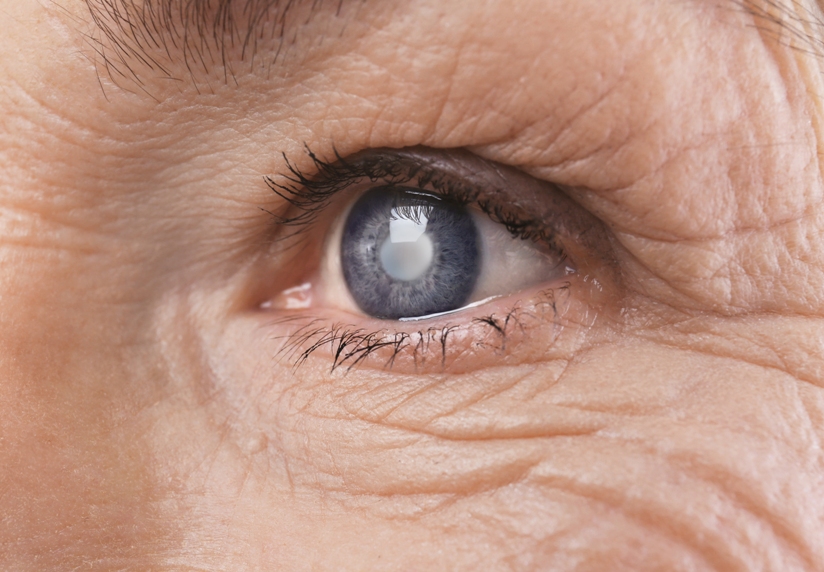
Glaucoma, popularly known as eye pressure, is a disease that can blind the eye. It involves a channel inside the eye that produces the fluid circulating within the eye and nourishing the tissues at the front. There is also another channel that drains this fluid. In some people, when these channels become blocked, it becomes difficult to drain the fluid; the fluid that cannot be drained exerts enough pressure to damage the optic nerves inside the eye, and as the pressure rises it causes loss of vision and can even lead to blindness. Under normal conditions a person’s eye pressure should not exceed 20 to 21 mm Hg. If it rises above this you may develop eye pressure, that is, glaucoma. If it is far below this, the disease can also show itself.
Glaucoma is not a disease that can be noticed immediately. It may be diagnosed by chance on an ordinary visit to the eye doctor or during an examination for another complaint, and in that case early diagnosis prevents blindness. Having your eye pressure measured at every eye examination is therefore of great importance for your eye health. Eye pressure can sometimes appear suddenly, showing itself with symptoms such as severe eye pain, headache, nausea, vomiting and redness of the eye. The symptoms of glaucoma begin with regular headaches on waking, occasional blurred vision, seeing halo-like rings around lights in the evening or in bright surroundings, and pain around the eyes while watching television or using a computer. Those most at risk are people with a family history of the disease, as it is passed on genetically. People over 40, people with anaemia, high or low blood pressure, migraine, high myopia, or injuries around or inside the eye have a higher than normal risk of developing glaucoma. Glaucoma is treated in three ways. First, an attempt is made to treat the patient with medication. With the help of medicines, the eye fluid is reduced or more of it is drained. These medicines are used at certain times of the day or for life. If treatment does not produce results, the narrowing of the patient’s visual field becomes more severe. In that case, the other treatment method, surgical intervention, is the more appropriate course.
Videos


Frequently Asked Questions
Glaucoma is not noticed immediately; it may be diagnosed by chance during an ordinary eye examination. Having your eye pressure measured at every eye examination is of great importance.
People with a family history of the disease, people over 40, and those with anaemia, high or low blood pressure, migraine, high myopia, or injuries around or inside the eye.
First with medication that reduces the eye fluid or drains more of it. If treatment does not produce results and the visual field narrows further, surgical intervention is the more appropriate course.
Contact
Request Information
Leave your questions about Glaucoma (Eye Pressure) Surgery and our team will call you.
- WhatsApp+90 530 265 31 39
Discover